
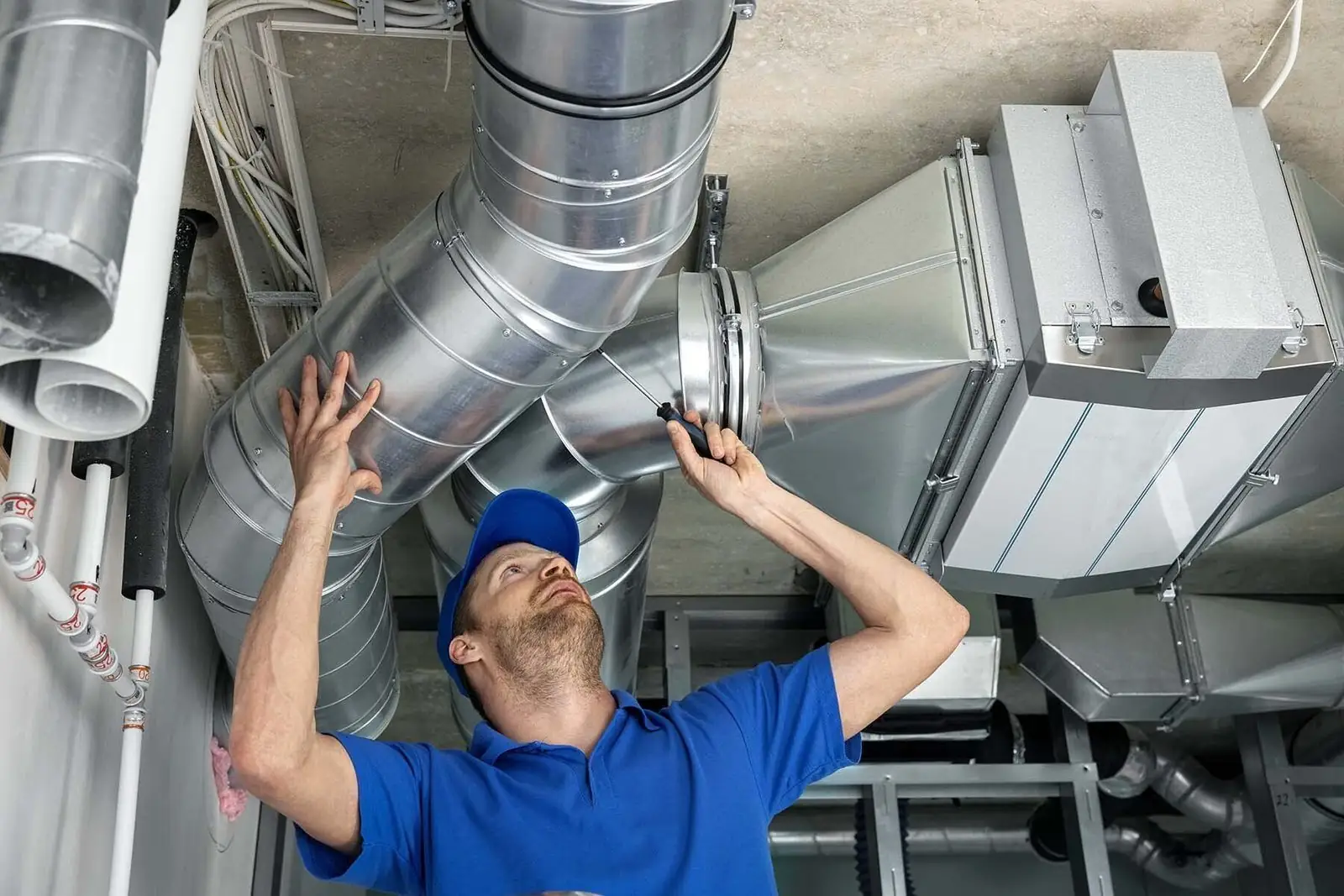
Duct Cleaners Charlotte cleans air ducts, dryer vents and HVAC systems across Charlotte, the heart of the metro, right where we are based. You get a local crew, honest up-front pricing, and true source-removal cleaning that pulls dust, pollen and debris out of your system instead of stirring it back into your home.
Why air duct cleaning matters in Charlotte
Your ducts pull in and recirculate everything in your home's air: dust, pet dander, pollen and, in Charlotte's humid climate, mold and mildew. Over the years that builds up on the duct walls and blows back out every time the system runs. We clean the whole system at the source, so you get cleaner air, less dust on your furniture and an HVAC system that breathes easier.
How we clean your ducts
- Full inspection of your supply and return ducts, registers and air handler.
- Negative-air source removal that pulls loosened debris out of the system, not into your rooms.
- Powerful HEPA-filtered vacuums and agitation tools that scrub the duct walls clean.
- Optional sanitizing to treat mold, mildew and odors and leave the system fresh.
Air duct cleaning prices in Charlotte
We price whole-home air duct cleaning by the number of bedrooms, so you know the cost up front. No $49 bait-and-switch coupons and no surprise upsells, just honest, transparent pricing with a free quote before we start.
- 1 Bedroom$300
- 2 Bedrooms$350
- 3 Bedrooms$400
- 4 Bedrooms$450
- 5 Bedrooms$500
- 6 Bedrooms$550
- 7 Bedrooms$600
Bonus rooms count as a bedroom, and furniture removal is $25 per room if needed. Commercial air duct cleaning is $400 per 1,000 square feet. Mold assessment and treatment are $500 each, and mold remediation starts at $30 per square foot.
What clean ducts actually do for you
- Cleaner air: less dust, pollen, dander and mold recirculating through your home.
- Less dusting: noticeably less dust settling on furniture and floors.
- Lower bills: a clean system moves air more efficiently and can cost less to run.
- Allergy relief: a real difference for the allergy and asthma sufferers Charlotte is tough on.
Homes and HVAC systems in Charlotte
Charlotte's housing runs from Dilworth, which Edward Dilworth Latta developed in the 1890s as the city's first suburb, served by its first electric streetcar line in 1891, to large subdivisions built since 2000. Per ACS 2020-2024 5-year estimates, the median Charlotte home was built in 1995; about 43 percent of its roughly 399,000 housing units were built in 2000 or later, 28 percent before 1980 and about 10 percent before 1960.
Permits for HVAC work in Charlotte
Permits for Charlotte addresses are handled by Mecklenburg County Code Enforcement, a division of LUESA, which covers Charlotte and the six towns of Davidson, Cornelius, Huntersville, Matthews, Mint Hill and Pineville (2145 Suttle Ave., Charlotte; 980-314-2633; Code@MeckNC.gov). Its permitting page says a permit is required for "the addition, replacement or change in the design of a heating or air conditioning system," even on residential work costing $40,000 or less. The page does not address duct or dryer vent cleaning.
Why Charlotte homeowners choose us
- True source removal with HEPA-filtered vacuums, not a quick vent vacuuming.
- Honest, up-front pricing with no bait-and-switch coupons.
- Cleaner air and less dust, plus a safer, more efficient system.
- Local crew that answers the phone and shows up when we say.
Serving Charlotte and nearby
We cover Charlotte and nearby Ballantyne, Huntersville, Cornelius, Davidson, Indian Trail, Waxhaw, plus the rest of the Charlotte area. Wherever you are within about 30 miles of Charlotte, the standard is the same.
Common questions
How often should I have my air ducts cleaned?
For most Charlotte homes, every 3 to 5 years is a good rule of thumb. Sooner if you have pets, allergies, recent renovation or construction, visible mold, or you have just moved into a home and do not know its history.
Does air duct cleaning really help with allergies?
It can help a lot. Charlotte is one of the worst US metros for pollen, and your ducts collect and recirculate pollen, dust and dander. Removing that buildup at the source means less of it blowing back into the air you breathe.
Will duct cleaning reduce my energy bills?
Often, yes. A system clogged with dust and debris has to work harder to move air. Cleaning the ducts and coil lets it run more efficiently, which can lower your heating and cooling costs.
How long does a duct cleaning take?
Most single-family homes take a few hours, depending on the size of the home, the number of vents and how much buildup there is. We give you a clear, up-front quote before we start.
Is duct cleaning worth it?
For most Charlotte homes, yes, especially with our high pollen, humid summers and long HVAC runtime. If you have pets, allergies, recent construction, visible mold or you have just moved in, the difference in air quality and dust is very real.
Do you use a truck-mounted or portable system?
We use professional negative-air source-removal equipment with HEPA-filtered vacuums, so debris is pulled out of the system and captured, not blown back into your home. We match the equipment to your system for the best clean.
Can dirty ducts make you sick?
Dirty ducts can circulate dust, pollen, pet dander, mold spores and other allergens that trigger allergies, asthma and general stuffiness. Cleaning the system at the source removes that buildup so it is not recirculating through the air you breathe.
Do I need a permit to replace my furnace or AC in Charlotte?
Mecklenburg County Code Enforcement lists the addition, replacement or change in the design of a heating or air conditioning system as work that needs a permit, even on residential jobs of $40,000 or less. Its office number is 980-314-2633.
Should Charlotte homeowners have their ducts cleaned on a schedule?
The U.S. EPA says it does not recommend that air ducts be cleaned routinely, only as needed, for example when there is visible mold growth, signs of rodents or insects, or dust visibly released from supply registers. With about 28 percent of Charlotte homes built before 1980 (ACS 2020-2024), many systems are decades old, so an inspection for those conditions is a reasonable starting point.